Everyday Ohioans just voted for change. Now some politicians are trying to sneak through laws before the change arrives. We’re not letting that happen.
What is a “lame duck session”?
A lame duck is an elected official who is on their way out the door because they lost their election, decided to retire, or hit their term limit. Why does this matter? Because when a politician knows they’re leaving, they stop worrying about what you think. They can make big, unpopular, harmful decisions without ever facing voters again.
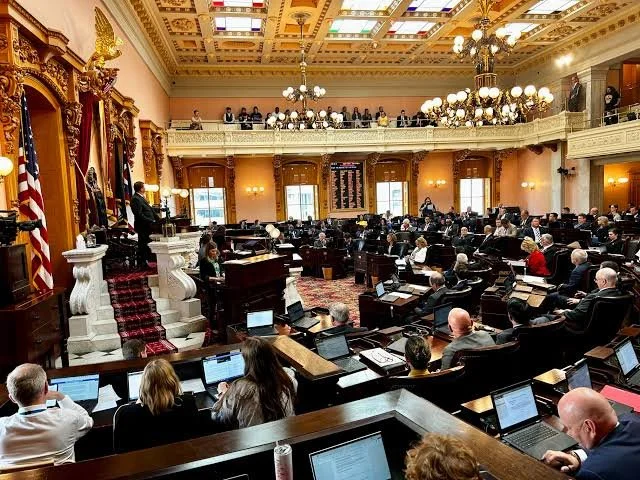
After the general election, members of the Ohio General Assembly come back to Columbus for one last round of lawmaking. This is called the lame duck session, and it’s when some of the most dangerous bills get passed. This session lasts about six weeks, from Election Day to the start of the new legislative session in January. Lawmakers try to ram bills into law before power changes hands, hoping you won’t be paying attention. They count on people being busy working, raising kids, preparing for the holidays, and keeping food on the table.
Lawmakers pick a bill, often called a Christmas Tree bill, and throw in every idea they want to pass before they leave office. In 2024, they chose HB 315, which began as relatively narrow legislation modifying township laws. During the lame-duck session, lawmakers transformed it into a massive bill by adding a 441-page amendment with numerous unrelated policy proposals. Some received citizen testimony; most did not. They added things such as increasing the fee for the public to get body camera footage from the police, making a financial hurdle to transparency, and exempting sales tax for the construction of major league sports facilities – another tax break for millionaires and billionaires.
We not only have to monitor bills introduced during lame-duck session, but also protect against an override veto. In Ohio, overriding a veto is when the Ohio General Assembly re-passes a bill or line item after the governor vetoes it, turning it into law without the governor's approval. The governor has vetoed some of the assembly’s most extreme proposed laws, like HB 472, which would have required photo ID for mail-in ballots, and lame-duck politicians may try to ram them through in the next few weeks.
Why is this year different?
Ohio voters just sent a clear message at the ballot box. There was a major shift in our statewide offices and real change in who holds power in the Ohio House. That means politicians losing power have a short window to lock in their dangerous agenda before the people we elected take office.
We expect them to try to strip power from leaders you just elected. The governor, attorney general, secretary of state, and treasurer could all see their powers weakened while the auditor and the legislature grab more control. Some politicians are trying to override your choice.
This is a playbook other states have seen when Democrats win statewide office — in North Carolina, Michigan, and Wisconsin, lame-duck legislatures rushed to weaken the officials voters had just elected. In Wisconsin, they stripped the incoming governor's power over welfare, health care, and economic development. In Michigan, they gutted voter-backed minimum-wage and paid sick leave laws the outgoing governor had signed. In North Carolina, they moved the power to appoint the State Board of Elections from the governor to a Republican statewide officeholder.
Ohio’s new Legislature and Governor, along with other statewide officeholders, will not be sworn in until January 11, 2027. We have to protect their power so they can make the changes we elected them to make starting next year.